

Whilst we are doing our Food Waste Challenge, one of our main sources of food is foraging. We collect wild and unclaimed fruit and nuts that are growing openly in public spaces. Paying more attention to it than we used to, we started to notice how much fruit is falling everywhere around the city and then left to rot on the ground! You wouldn't believe it... On an average trip across town, we see at least one or two opportunities to forage. And then there's still forests and other more natural habitats that can be tapped for its food resources. We've become absolutely addicted to going out on walks to collect fruits and nuts as our preferred kind of exercise.
Of course, what you can forage is depending on the season and the area. At some times, like in winter, there might be very few things you can pick. At other times, there might be more than anyone can eat. But there are ways to preserve most collected treasures to keep you supplied with foraged goods throughout the year.
Here is a list of some things we have collected in just the last week, and a few things you can do with them.
Blackberries
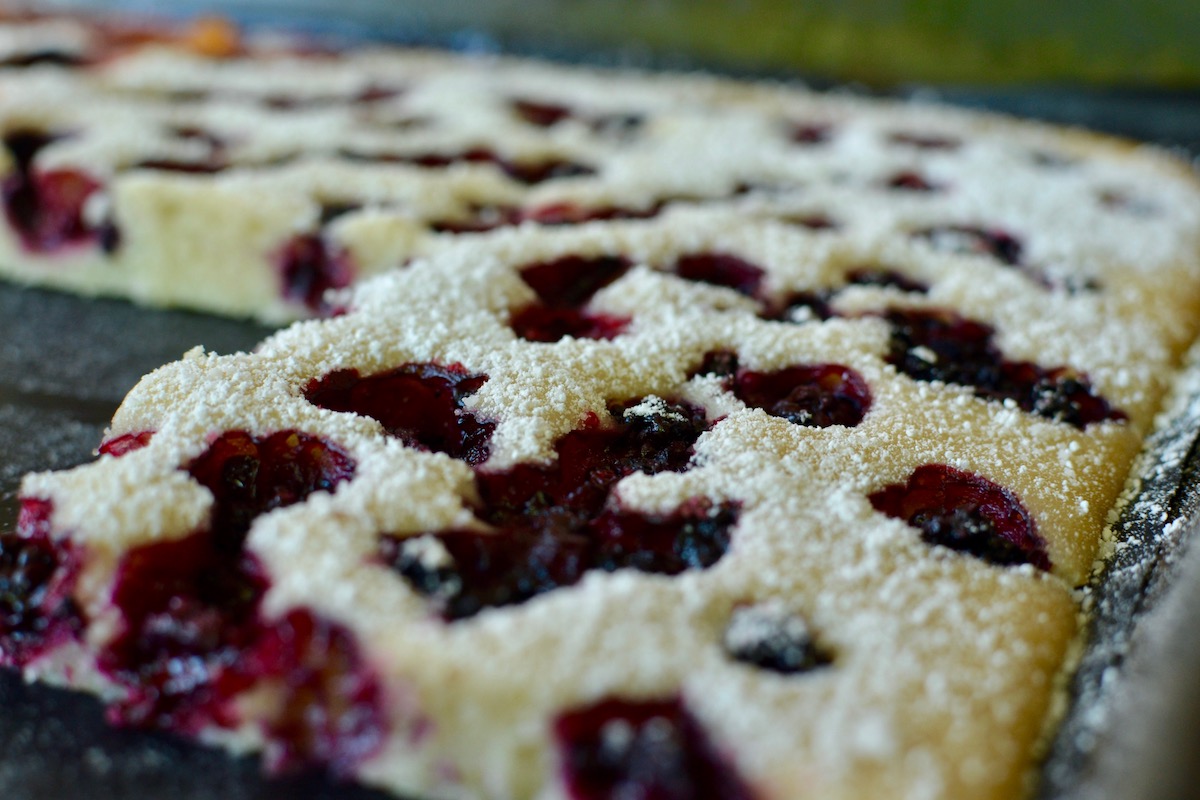
Blackberries are among the most wide-spread types of berries in the world. They come from the Bramble, Rubus fruticosus. You can pick them in the late summer months here in Europe, though a single bush or patch might only be bearing ripe dark sweet fruit for as short as a week. That might depend on sun exposure, the year's climate and the specific type of blackberry. Did you know that there are over 300 microspecies of bramble in the UK, and they can all vary in taste? So if you find an especially tasty bush, treasure it!
You have to eat or process them quite soon after picking, or they'll start to ferment or go moldy. They make a very classic jam or can be frozen (first in single layers, to prevent them from sticking together, and then transfer to a container) to preserve them. If they have started to ferment already, noticeable by the alcoholic or slightly glue-like smell, don't just chuck them out yet. As long as they haven't gone moldy, why not give a shot at making your own blackberry vinegar? We have a whole jar sitting at home, fermenting away. We'll let you know how it turned out!
Apples

Apples, apples, apples, ... so many apples! Everywhere! In the country park, on trees overhanging a fence onto a public footpath, in our own garden, in a help-yourself box in our neigbour's drive... We have so many apples sitting in our kitchen around this time of the year! Apples store very well for several months if kept in really cool, dry places. Once they are bruised, by falling or a worm, for instance, their fresh lifespan is limited. That is quite often the case with most foraged apples. Cut off any soft brown bits and use the rest.
Try our recipe for Crispy and Chewy Spiced Apple Rings or make them into apple sauce, spicy compote, cake, smoothies, or batter them, bake apple strudel, use applesauce as egg replacer in vegan baking... Possibilities are limitless. One of our absolute must-try tips: Apple curry! Try it! Seriously!
Plums
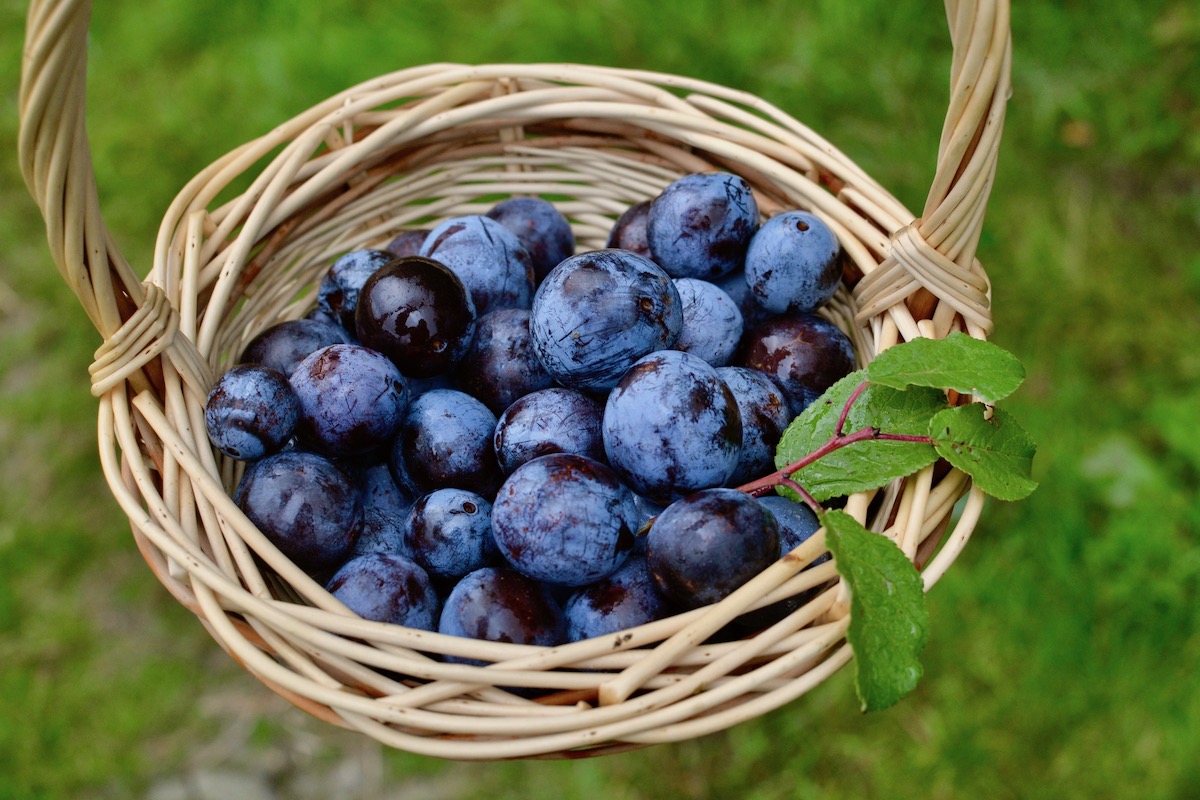
We are just reaching the end of the Plum season now, but this means they are super ripe and perfect for making Plum Butter. This Austrian preserve called Powidl, uses little to no sugar, instead cooking the plums down several hours to concentrate their natural sweetness. Dark and thick, Powidl is pure fruitiness. It is used in the Austrian version of french toast, Pofesen, sweet buns or giant yeasted dumplings, or simply as a breakfast spread. You can also use you foraged fruit to make another Austrian classic Plum Cake.
If you are lucky enough to have found one or more plum trees near you, make sure to harvest them in time, for the window is narrow! Bringing a ladder is strongly recommended 😉
Walnuts
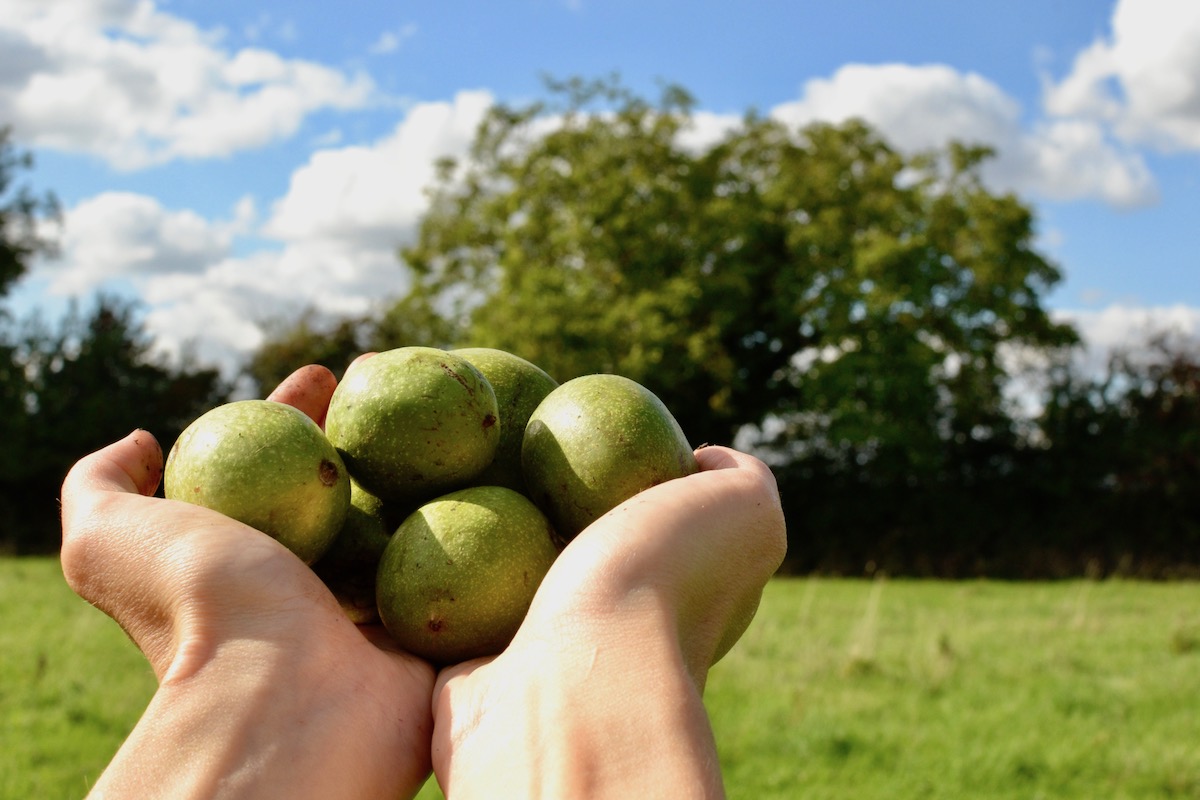
Walnuts are great because they can keep for years! After the windy weather of the last couple of days, we had a great haul. While they are still waiting to be hulled and dried (wear gloves or you'll end up with heavily stained hands, like us! (-; ) we are still consuming last year's harvest. Be aware that there is a difference between the more native European ('English') and 'Black Walnuts', which are much much bigger and behave slightly different when you process them.
The cracking of the walnuts can be quite faffy. My mum, who has a walnut tree in her house, used to host a yearly 'nut cracking' event where she and her friends kept cracking away the whole afternoon while killing a few bottles of sparkling wine. That kept everyone supplied with walnuts for their christmas cookies.
And really, cracking your own walnuts might take some time, but it can be fun ('Oooh, I got a whole one out of it's shell!') and save you a lot of money!
So, get cracking and make yourself some of our super smooth Walnut Milk.
Our homemade alternative to pre-packed non-dairy milk.
Mushrooms
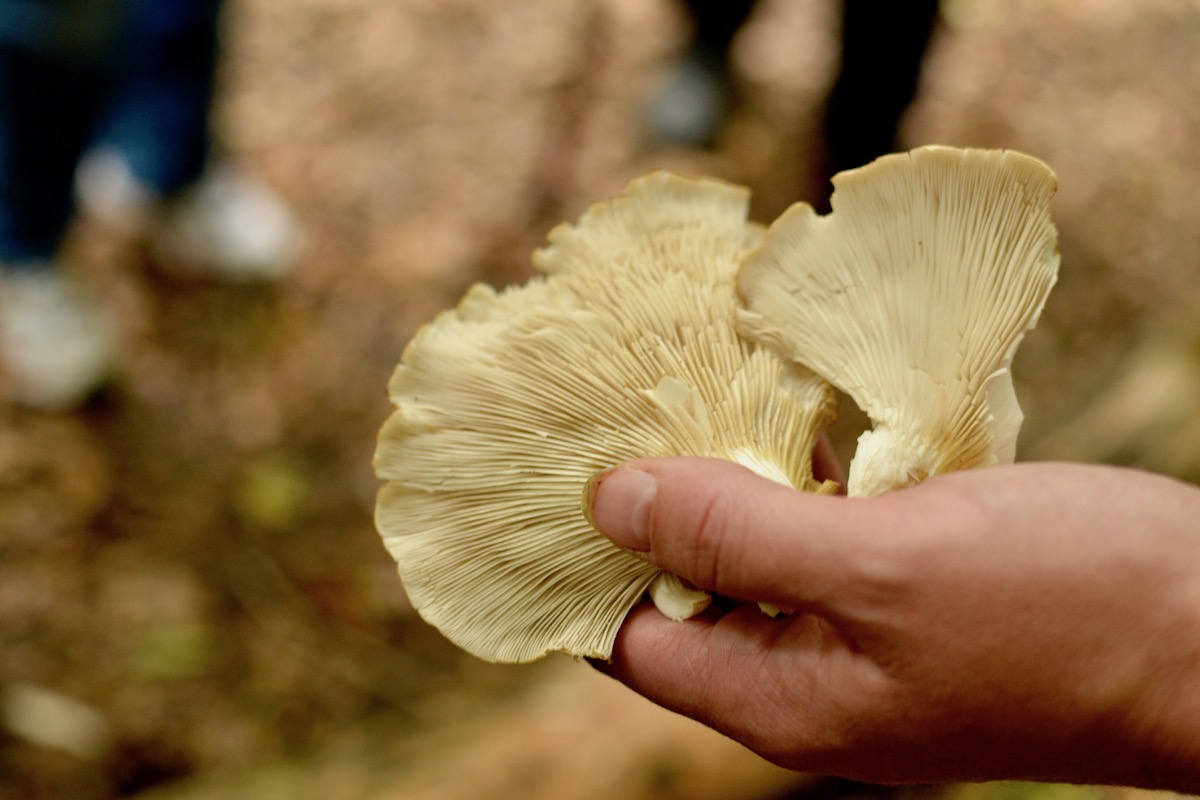
Mushrooms can be a tricky one, and some people are a bit afraid of picking their own. The various species can be hard to identify and many are deadly poisonous. We recently went on a foraging course with Kerry Bowness and can fully recommend it. She enthusiastically shared her knowledge and showed us essential identification features of some edible mushrooms and their poisonous lookalikes. There's still a lot for us to learn, but it given us confidence to begin our mushroom foraging adventure. And, as a bonus, we now have an experiment to grow Oyster mushrooms going on at home. Watch this space!
Autumn is the perfect time to forage, so get out now and enjoy nature's bounty!
And remember when you are foraging to be aware of any laws that might apply, and to be 100% sure of what you have picked before you eat it. Happy hunting!
Paul & Sophie
PS: We are living ENTIRELY on food waste for a whole month because we want to help food waste charities. Click on the marrow below ↓
Leave a Comment & Rating